01 / Construction
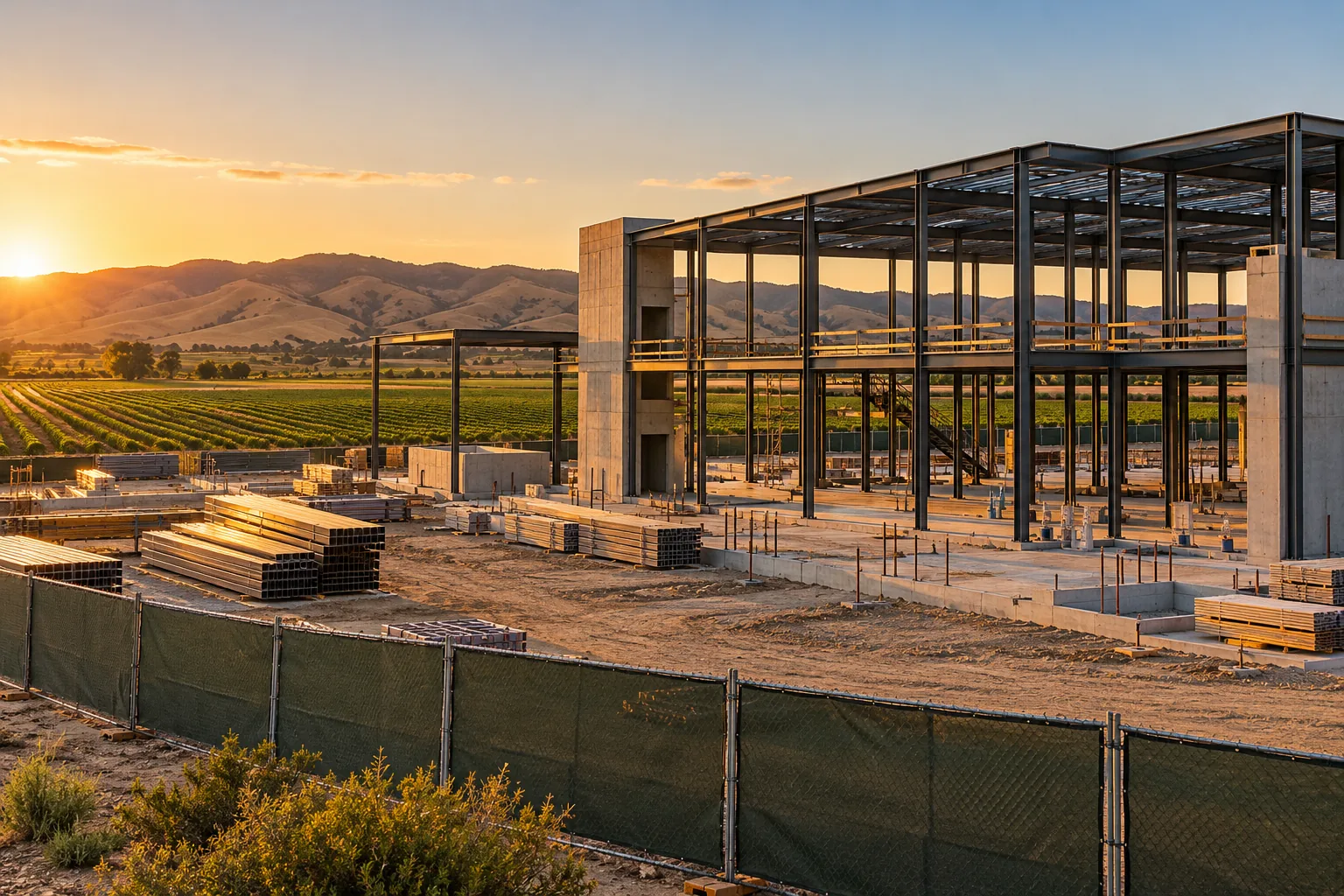
Construction site security
Gate control, overnight guards and patrols that keep jobsites from getting picked over.
View details
Guide
Most jobsite losses happen when nobody is there. This list covers the basics.
Printable checklist
Fencing is only as good as its weakest gate. Keep the number of entrances as low as you can, lock the ones you don’t use and make sure the main gate can be watched, by a person or a camera.
Walk the fence line every few days. Gaps show up fast on an active site, especially after deliveries or when a section is moved.
During working hours, a gate officer who checks in subcontractors and deliveries gives you a record of who was on site and when. It also discourages people who have no business being there.
Keep the gate log with your daily reports. If something goes missing, it’s the first place you’ll want to look.
Copper, wire, tools, fixtures and fuel are the usual targets. Store small, valuable materials in locked containers, stage deliveries as close to installation as you can and keep high-value equipment where it can be seen from the gate or a camera.
Lighting on staging areas makes a big difference after dark.
Nights and weekends are when sites get hit. A posted guard is the strongest option for high-value phases. Patrol visits at random times work for quieter stretches, and camera monitoring can watch the whole site and send patrol when something shows up.
A jobsite usually needs a mix that changes by phase. We adjust coverage as the project moves, and contracts run month to month so you aren’t paying past handover.
If you’re doing hot work or a fire system is impaired, your fire protection contractor will tell you whether a fire watch is required; we can provide the officer and keep the timed log on site.
Services
01 / Construction
Gate control, overnight guards and patrols that keep jobsites from getting picked over.
View details02 / Fire watch
Continuous fire watch rounds while your alarm or sprinklers are down.
View detailsWhat thieves want changes as the building goes up. During grading and site prep, it is fuel and the equipment parked overnight. Framing brings lumber stacked near the gate. Rough-in is when copper and wire arrive, and finish work fills the building with fixtures and appliances that walk off easily.
Plan coverage around those phases. Patrol visits handle the early weeks, when there is little worth carrying off. Once copper and finishes show up, an overnight guard or live camera monitoring with patrol backup earns its cost. Revisit the plan at every phase change instead of leaving the same coverage in place from start to finish.
A few choices made in the first week save trouble for the rest of the job. Decide where deliveries will be staged, who holds gate keys and codes, and who gets the call when something happens at night. Share your delivery schedule so the gate officer knows which trucks to expect and which ones to question. Use the week-one setup list below to settle each of these as the site opens.
Projects around Salinas range from housing on the edge of town to new cold storage and processing buildings. Agricultural builds often sit beside open fields, with long fence lines and few neighbors to notice anything after dark. Those sites lean harder on patrol and cameras than a downtown lot surrounded by busy streets.
Harvest season adds traffic on the roads around field-side jobsites, with trucks and crews passing at all hours. That makes a strange vehicle at the gate harder to spot, so a gate log and a clear sign-in routine for subs matter more. Our construction site security page shows how gate posts, patrol and cameras combine.
A few useful answers
The gate officer keeps it during the shift, and the entries come to you with the daily report by email. File it with your project records.
Yes. Once doors and windows are in and the building can be locked, an overnight guard can give way to patrol visits, and that switch is simple.
Randomized patrol visits. If the site has cameras, add live monitoring so patrol gets sent when something shows up between stops.